
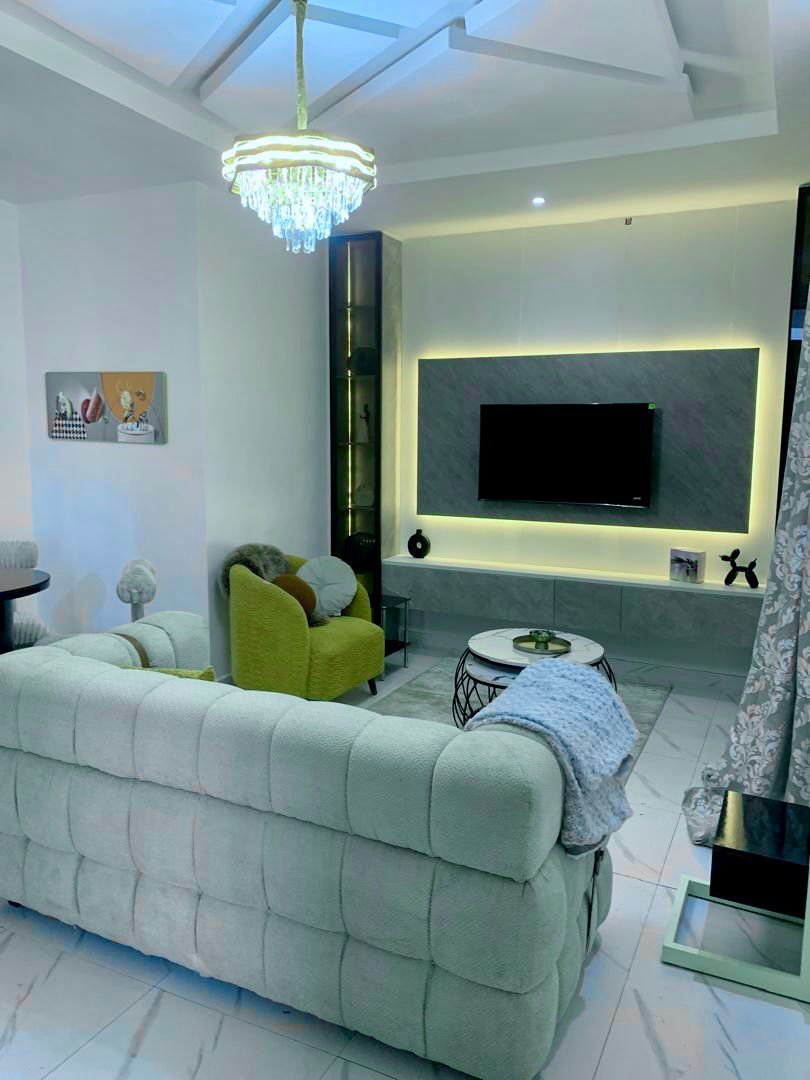
A number circulates constantly in Lagos shortlet conversations. ₦1.5 million per month. Sometimes ₦2 million. It is the gross figure quoted for well-placed Lekki apartments — and it is accurate, as a gross figure. The net is a different story.
We will walk through it.
The visible costs
Take a well-occupied two-bedroom apartment on the Lekki corridor. Operating at 75% occupancy — a healthy but realistic figure, not a best-case projection — monthly gross revenue comes to roughly ₦1.2–₦1.5 million depending on the nightly rate.
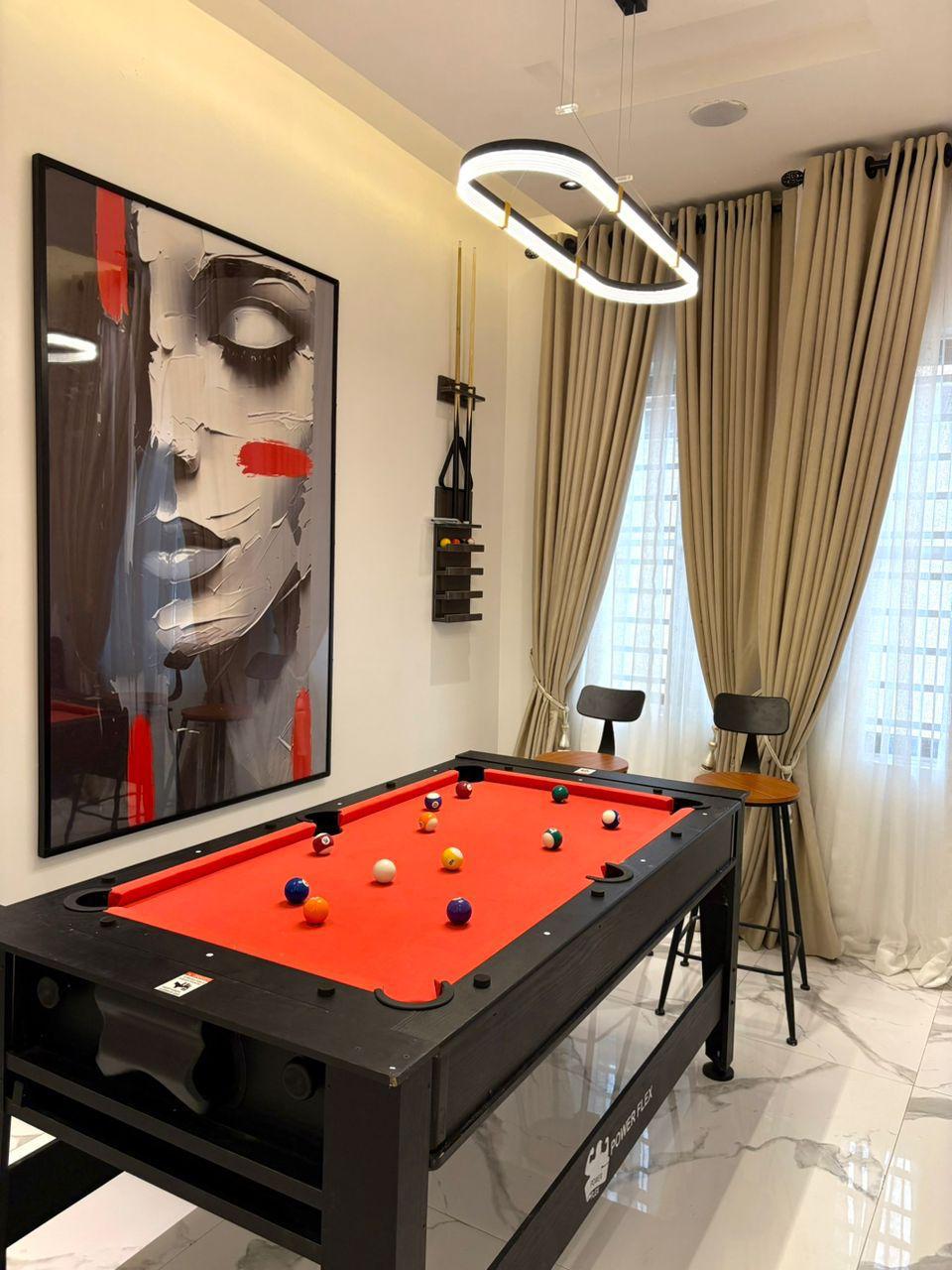
Yang apartment, Lekki Phase 1 — managed by Foreal
From that gross, the visible operating costs are:
| Cost Item | Monthly Range |
|---|---|
| Estate service charge — non-negotiable, recurs regardless of occupancy | ₦30k – ₦60k |
| Cleaning — turnover clean between every guest at 10–18 check-ins | ₦80k – ₦270k |
| Internet — reliable fibre; non-negotiable for business guests | ₦20k – ₦40k |
| Platform commissions — Airbnb and similar at 15–20% of bookings | ₦180k – ₦300k |
| Power (diesel) — primary generator reliance at current fuel prices | ₦150k – ₦250k |
| Visible operating costs | ₦460k – ₦920k |
That is before management fees — and before the costs that do not appear in projections but show up in bank statements.
The hidden costs
Wear and tear reserves. Furniture, appliances and fixtures in a shortlet wear at 3–4x the rate of a long-term tenanted property. A mattress that lasts eight years at home lasts 18–24 months in a well-used shortlet. A realistic monthly reserve is ₦50,000–₦80,000 against future replacement.
Vacancy. No apartment runs 100% occupancy. Gaps between bookings, cleaning days, maintenance windows and slow seasons are real. A 75% occupancy assumption means seven to eight days per month unoccupied. Model it accordingly, not optimistically.
Emergency callouts. Plumbing failures, electrical faults, AC breakdowns. These do not follow a schedule. Budget ₦30,000–₦60,000 monthly as a reserve — the months you do not spend it offset the months you spend double.
The honest net figure
"After all costs, a professionally managed two-bedroom Lekki shortlet nets ₦500,000–₦900,000 per month. Not ₦1.5 million."
That is still a strong return on a well-acquired asset. The problem is that many owners enter shortlet arrangements based on the gross figure, build financial expectations around it, and then experience what feels like underperformance when the net arrives. It is not underperformance. It is operating reality.
Why we say this upfront
We decline mandates from owners whose financial model requires the gross figure to work.
Not because we cannot manage the property — but because a partnership built on an unsustainable expectation creates the wrong working relationship from the first month. The owner is disappointed. We are defending against a benchmark that was never accurate. Nobody benefits.
If you are considering shortlet operations on a property in Lekki, we are willing to walk through the actual numbers before you commit. That conversation costs nothing. The alternative — committing without it — can cost considerably more.